


Mobilizing Legislators as Champions for Human Rights, Democracy, and a Sustainable World
Mobilizing legislators as champions for human rights, democracy, and a sustainable world. Learn more

Featured News

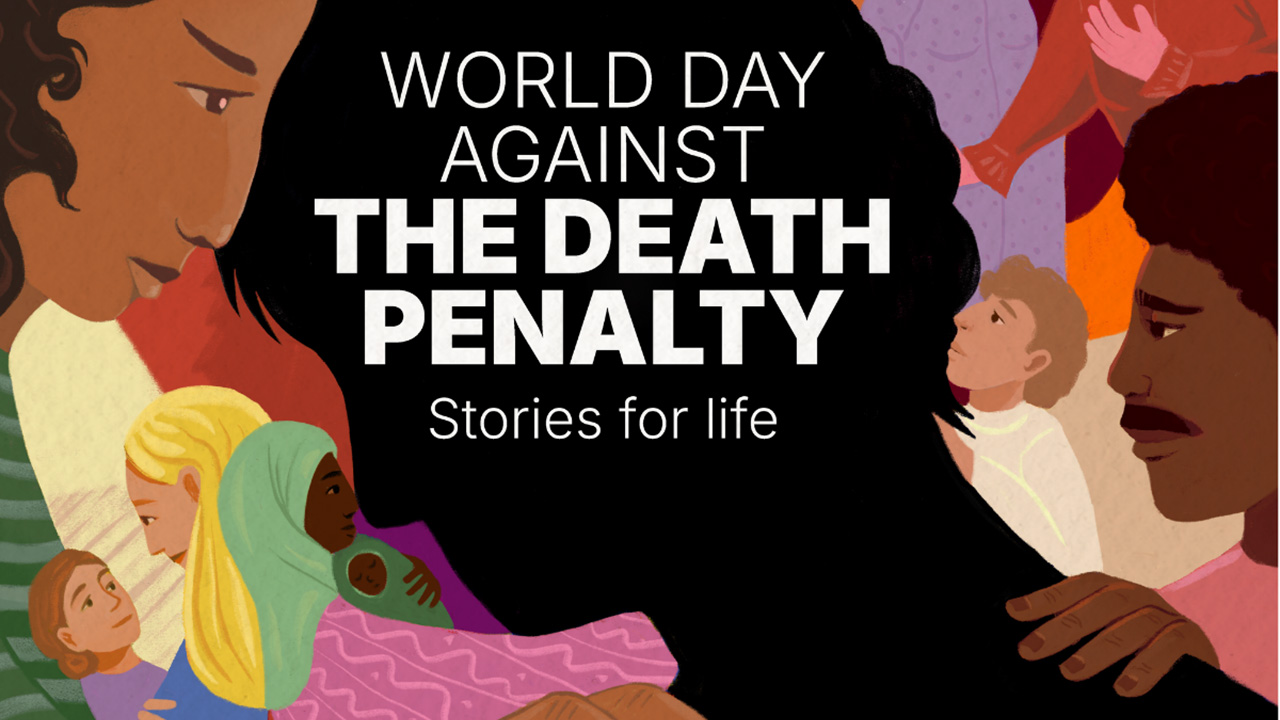
Courtesy World Coalition Against the Death Penalty

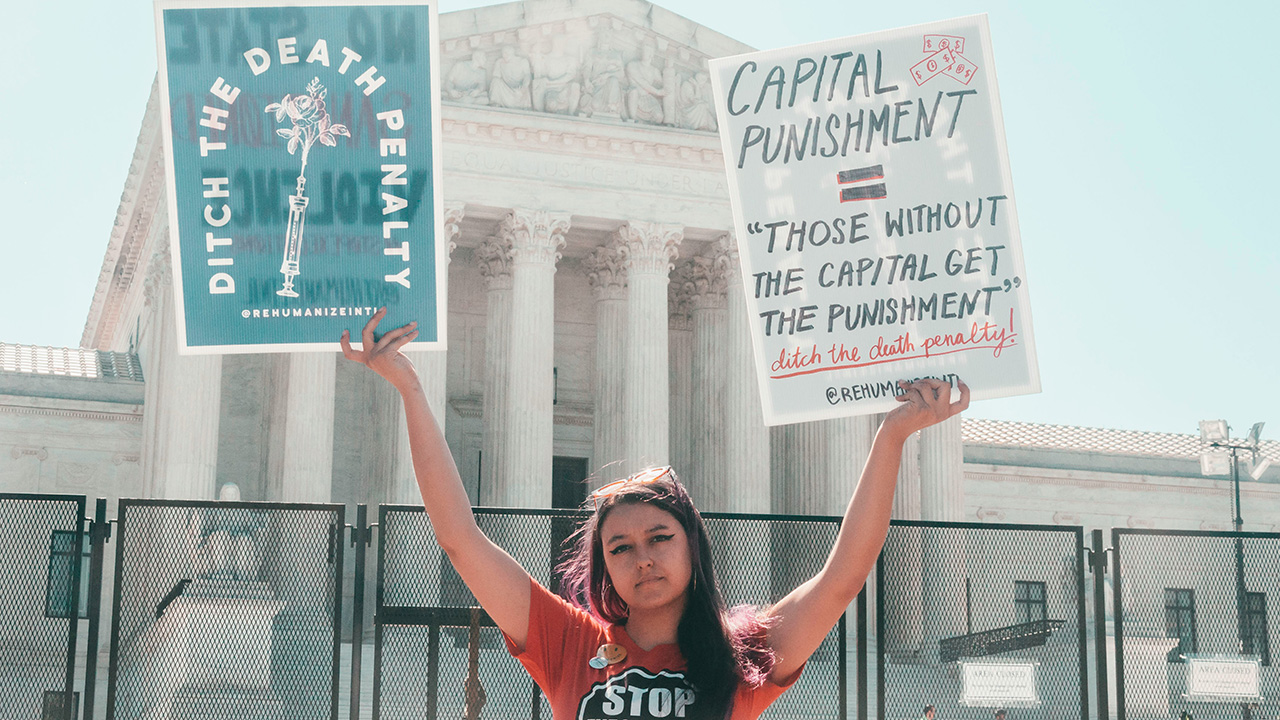
Each year on 10 October, the global abolitionist movement comes together to observe the World Day Against the Death Penalty. In 2026 and 2027, commemorations will highlight the human lives affected by the death penalty.

Take Action

Take Action

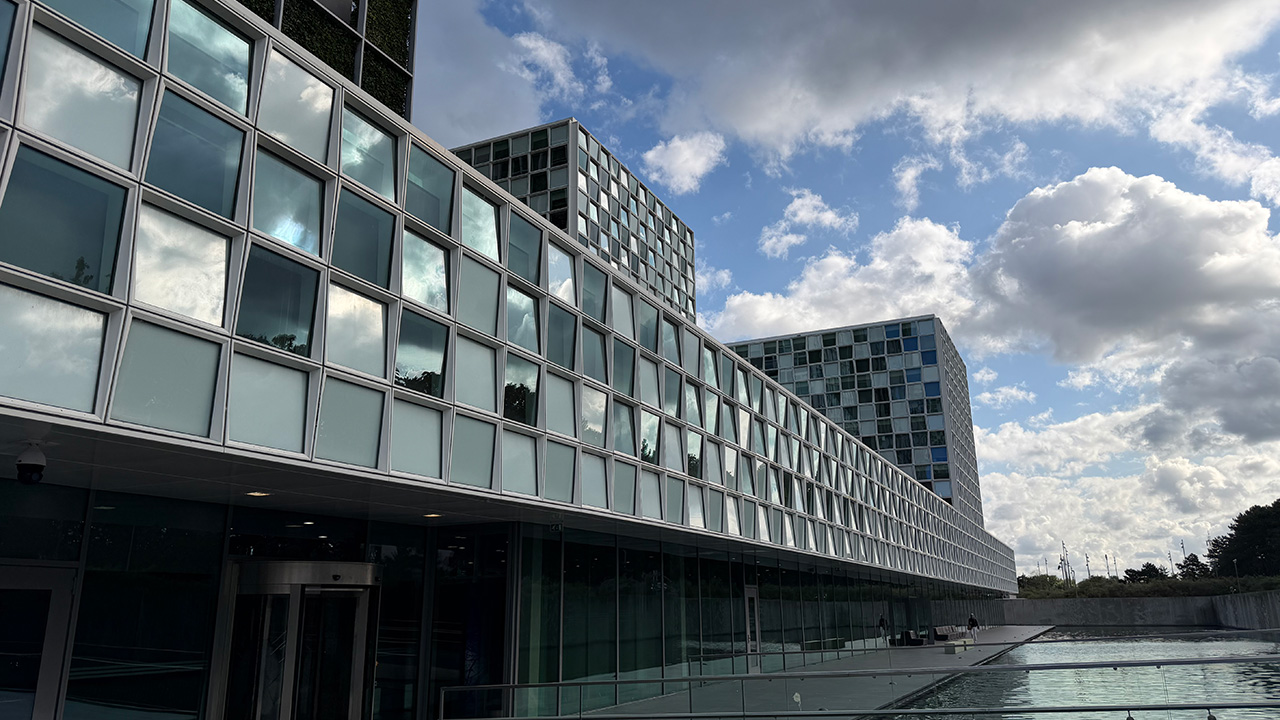
Naoero’s ICC Withdrawal: A Threat to the Pacific and Universality

Naoero’s ICC Withdrawal: A Threat to the Pacific and Universality

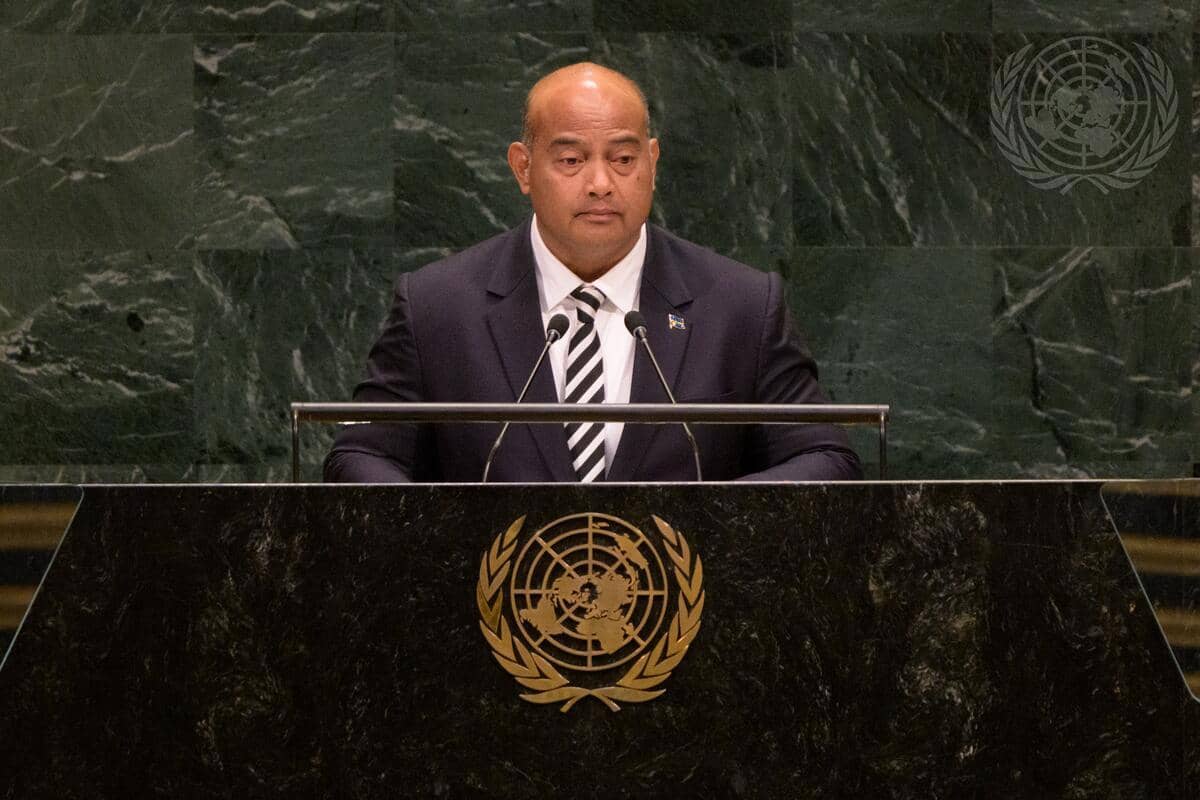
Parliamentarians around the world are alarmed about the accelerating rate of withdrawals from the Rome Statute in 2026, with the formal withdrawal of Naoero increasing the threat to the Statute’s universality, especially in the Pacific region.

Parliamentarians around the world are alarmed about the accelerating rate of withdrawals from the Rome Statute in 2026, with the formal withdrawal of Naoero increasing the threat to the Statute's universality, especially in the Pacific region. Naoero was among the first Pacific Island states to ratify the Rome Statute on 12 November 2001, becoming the 45th State Party worldwide. On 22 September 2026, His Excellency David Ranibok Adeang, President of Naoero, announced at the 81st session of the United Nations General Assembly that he would deposit an instrument of withdrawal from the Rome Statute, citing the International Criminal Court's "increasing irrelevance" to his country. The UN Secretary-General confirmed the receipt of the notification on 23 September 2026. While President Adeang did not elaborate on the reason for Naoero's withdrawal, his announcement came hours after the United States, addressing the UN General Assembly earlier that day, urged all States Parties to withdraw. The call forms part of a broader US campaign launched in July to "dismantle" the Court. On 28 September 2026, the United States publicly congratulated Naoero on its decision. Risks to Universality of the Rome Statute Naoero is the sixth state this year to deposit its instrument of withdrawal, marking a concerning trend that undermines the universality of the Rome Statute system and the credibility and integrity of the ICC. Recent withdrawals by Niger, Burkina Faso, and Mali in June 2026, and Venezuela and Chad in July 2026, will take effect one year after their respective deposit dates. Once effective, these withdrawals could narrow the ICC's jurisdiction over future crimes and decrease the number of states obligated to cooperate with the Court. Such gaps in the Court's reach will make it increasingly challenging to pursue accountability, deter perpetrators, and deliver justice for victims. Sustained engagement by States Parties and wider membership in the Rome Statute system is essential to advancing universality and strengthening international justice. The Pacific's Role in International Justice and the Environment Naoero's withdrawal risks weakening the Pacific region's collective voice on international justice and the protection of human rights for its people and future generations. By leaving the ICC, Naoero will limit its participation in the Assembly of States Parties' deliberations on key issues affecting the Pacific, including climate justice, environmental protection, and the criminalization of ecocide. Notably, neighboring island states, Vanuatu, Fiji, and Samoa, have led a proposal to amend the Rome Statute to recognize ecocide as an international crime. Given Naoero's vulnerability to sea-level rise, water insecurity, and climate-related risks, continued engagement with the Rome Statute system could strengthen the role of Pacific Island states in discussions on global environmental accountability. Until its withdrawal takes effect on 23 September 2027, Naoero remains bound by all its obligations under the Rome Statute. Once the withdrawal enters into force, however, Naoero will forfeit its opportunity to shape the Pacific region's efforts on the proposed ecocide amendment, to engage with other States Parties on issues of shared concern, and to contribute to the protection of victims and survivors of the most serious international crimes, including genocide, crimes against humanity, war crimes, and the crime of aggression. Support for the International Criminal Court Naoero's withdrawal is a setback for the Rome Statute system, but it stands in contrast to the statements of several States Parties who used the UN General Assembly to affirm the International Criminal Court's essential role in accountability and the rule of law. This includes His Excellency António Costa, President of the European Council, who said: "Upholding international law is not optional. It is our responsibility. That means safeguarding the institutions that give full meaning to these principles. Especially the International Court of Justice and the International Criminal Court. We stand firmly behind them and will uphold their independence, their integrity and their ability to fully exercise their mandate." Countries such as Fiji, Vanuatu, and Samoa likewise reaffirmed the importance of international law and multilateral cooperation for small island states, including in addressing common challenges such as climate change, ocean protection, and sustainable development. Parliamentarians are encouraged to demonstrate their commitment by signing the Global Parliamentary Declaration in Support of the International Criminal Court. Action Needed to Strengthen Universality The effectiveness of the Rome Statute system, and the International Criminal Court itself, depends on broad participation of States Parties, full implementation of the Rome Statute, and cooperation with the Court. Parliamentarians for Global Action continues to champion universality by urging: Members of the Parliament of Naoero to clarify whether Parliament was informed of or consulted on the decision to withdraw from the Rome Statute, and to initiate a national dialogue to reassess the decision and reaffirm Naoero's commitment to international justice. States Parties to the Rome Statute, especially those in the Pacific region, to engage with Naoero about the importance of universality and encourage the reversal of its withdrawal before it takes effect. Parliamentarians worldwide to demonstrate unwavering support for the International Criminal Court, and leverage bilateral, regional and multilateral channels to advance universality of the Rome Statute and adopt protective measures to shield international accountability mechanisms.

Quarterly Update of the Campaign for the Abolition of the Death Penalty – July - September 2026

Quarterly Update of the Campaign for the Abolition of the Death Penalty – July - September 2026

Historic progress for the abolition of the death penalty

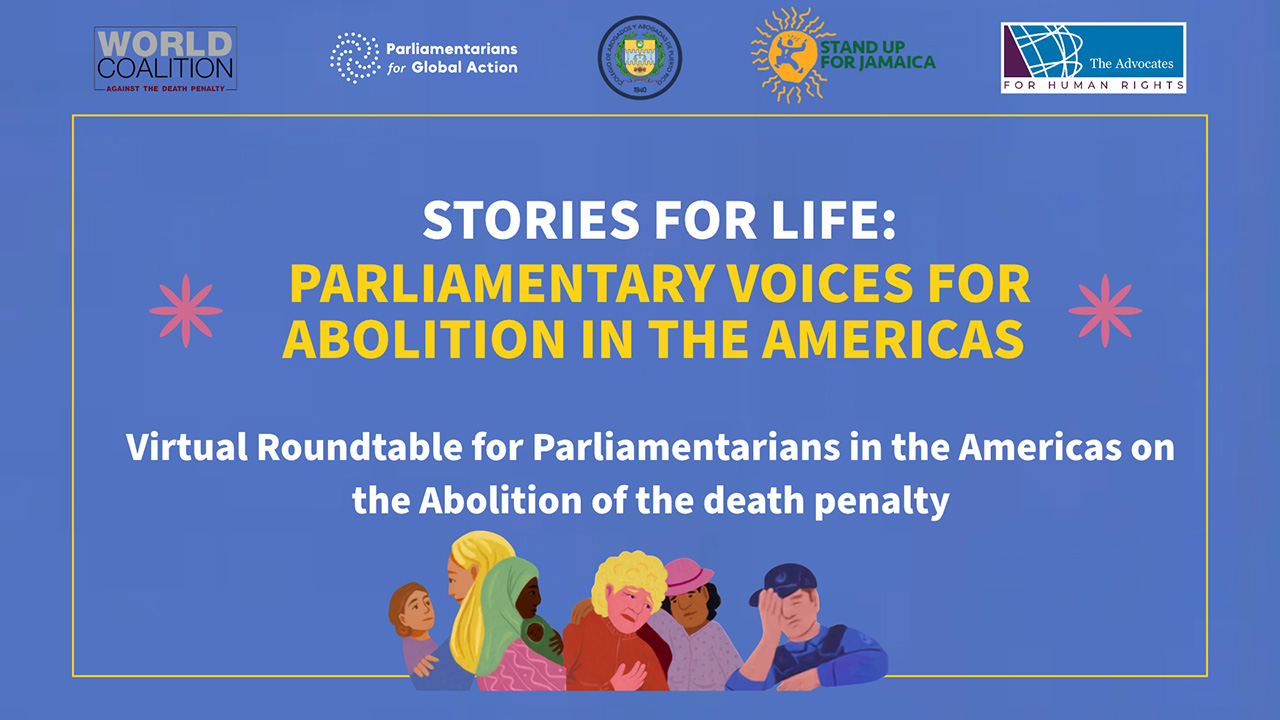
Historic progress for the abolition of the death penalty Lebanon became the second State in the Southwest Asia and North Africa region to abolish the death penalty. Hon. Georges Okais, MP (Lebanon), was among the parliamentarians that championed the bill: “With this vote, we have demonstrated the Lebanese people’s commitment to human rights and restorative justice.” Parliamentarians for Global Action celebrated this milestone, hoping it will inspire legislators across the region and worldwide. As the legislation was subsequently promulgated by the President in August, PGA called on Lebanese parliamentarians to: Urge authorities to ensure that all death sentences are commuted; Call on their government to ratify the Second Optional Protocol to the International Covenant on Civil and Political Rights; Ensure the government votes in favor of the upcoming UN General Assembly resolution for a moratorium on the death penalty in December 2026. Suriname’s National Assembly unanimously approved the bill ratifying the Second Optional Protocol to the International Covenant on Civic and Political Rights (ICCPR), aimed at the abolition of the death penalty, reinforcing the country’s commitment to abolition and preventing any future reversal. By taking this step, Suriname joins 92 other States Parties, and, most recently, the Parliament of Sierra Leone, which adopted a similar bill in June. PGA now calls on the respective governments of these countries to deposit their instruments of ratification, formally becoming parties to the Second Optional Protocol. A look back at the World Congress Against the Death Penalty The World Congress Against the Death Penalty, organized by Ensemble contre la peine de mort (ECPM) met in Paris, France, from 30 June to 2 July. The conference gathered over 1,300 participants from 100 countries, including parliamentarians and PGA members: Hon. Millie Odhiambo, MP (Kenya), Hon. Christelle Vuanga, MP (Democratic Republic of the Congo), and Ms. Marietta Karamanli, MP (France). The high-level participation facilitated key commitments, notably Morocco’s pledge to host the next Congress, and announcements from Central African Republic, Chad and Cambodia of their intent to ratify the Second Optional Protocol to the ICCPR, aiming at the abolition of the death penalty. The discussion also fostered reflections on current urgent issues, including the resurgence of executions, the use of capital punishment for drug-related offences, discrimination, justice, the socio-economic impact, the role of the judiciary, and the importance of personal testimonies – which aligns with the upcoming theme for the World Day Against the Death Penalty (10 October), “Stories for Life.” Remaining attentive to setbacks Despite these milestones, significant issues remain. The execution spree continues in Iran, a pattern instilling fear and suppressing dissent. Singapore has also seen a significant rise in executions for drug-related offences, already surpassing the total for all of 2025. Amnesty International, the Anti-Death Penalty Asia Network (ADPAN), Capital Punishment Justice Project (CPJP) and Harm Reduction International (HRI) stated that these executions represent continued violations of safeguards and restrictions on the use of the death penalty set out under international human right law and standards which render these executions unlawful. In the United States, there is an increasing number of executions and individuals on death row. In response, Amnesty International and 45 other organizations, including PGA, wrote an open letter to the Governor of California, Gavin Newsom, asking for his immediate action to end the threat of execution for more than 550 people currently on death row in California (the US state with the highest number of people under sentence of death). On 9 September, the Algerian Government announced a review of a preliminary draft amendment to the Penal Code intended to enforce the death penalty for certain categories of crimes (the country has observed a de facto moratorium since 1993). This draft amendment concerns the perpetrators and instigators of arson, as well as those who kidnap minors and those who inflict abuse upon them. The severity of these offenses does not negate the right to life, the right to a fair trial, or Algeria’s obligations under international law. Upcoming activities and events: The World Day Against the Death Penalty, observed every 10 October, unifies the global abolitionist movement and mobilizes civil society, political leaders, lawyers, and public opinion to support the call for the universal abolition of capital punishment. This year, the World Day will focus on calling for a person-first approach, re-centering the human in abolitionist advocacy, with the theme “Stories for life.” PGA encourages parliamentarians worldwide to mark this very important date and join initiatives launched by civil society organizations in their countries. PGA will contribute through the following events: 7 October: Stories for Life: Parliamentary Voices for Abolition in the Americas Virtual roundtable for parliamentarians in the Americas on the abolition of the death penalty 10 October: World Day against the Death Penalty Courtesy World Coalition Against the Death Penalty July to September 2026 at a Glance Positive developments: Indonesia: o   In July, civil society organizations celebrated a decade without executions in the country, which implies that Indonesia became a de facto abolitionist in practice country. In a statement, 17 NGOs led by ADPAN called on Indonesia authorities to formally abolish the death penalty. Kazakhstan: o   Kazakhstan’s new Constitution, which explicitly prohibits the death penalty, entered into force on 1 July. This follows the country’s abolition of the death penalty in June 2022 and ratification, in 2021, of the Second Optional Protocol to the ICCPR, aiming at the abolition of the death penalty. Lebanon: o   On 11 August, the Lebanese National Assembly adopted the law abolishing the death penalty. The law was subsequently promulgated by the President on 17 August. Philippines: o   The President granted a pardon to Mary Jane Veloso, who had been imprisoned since 2015 after receiving a last-minute reprieve from execution by firing squad in Indonesia for drug-related charges.   Saudi Arabia: o   Authorities granted pardon to nearly 2,000 Ethiopian nationals held on death row, often for drug-related charges. While Ethiopia has begun facilitating the repatriation of its citizens, hundreds of Ethiopian nationals remain on death row in Saudi Arabia. Suriname: o   On 23 July, the National Assembly unanimously approved the bill ratifying Suriname’s accession to the Second Optional Protocol to the International Covenant on Civil and Political Rights, aiming at the abolition of the death penalty. United Kingdom o   Seventy years after her execution, Ruth Ellis, the last woman to be executed in the United Kingdom, was granted conditional pardon by the King. This act recognizes the historic injustice of the death penalty in this case, including evidence of domestic abuse and coercive and controlling behavior. The application for a pardon was brought by four of her grandchildren. United States: o   Louisiana Supreme Court’s overturned a death sentence, ruling that the evidence undermined the scientific foundation of the prosecution’s case. The man was released after 27 years on death row. o   Utah prosecutors dropped death penalty charges against a man who spent decades on death row, following DNA tests. Viet Nam: o   The government presented its explanation before the National Assembly to reduce the scope of the death penalty for six offences, as part of proposed amendments to the Penal Code. The Committee on Legal and Judicial Affairs expressed support for narrowing the scope of capital punishment. The amendments are supposed to be tabled for a final vote in October. Setbacks: Algeria: o   The Minister of Justice presented proposed amendments to the Penal Code, which aims at expending the scope of the death penalty, following the President’s calls for harsher penalties after the deadly wildfires of August. The bill to amend the Penal Code contains several provisions expanding the scope of the death penalty, particularly regarding kidnapping, torture, sexual assault or the mutilation of children, as well as certain arson offenses. Algeria observes a moratorium on the death penalty for 33 years. Civil society organizations expressed concerns and launched a petition as an international appeal to maintain the moratorium on executions in Algeria.   Bangladesh: o   On 6 September, Parliament passed a bill imposing the death penalty for enforced disappearance. Civil society organizations called the President to return the bill to parliament for reconsideration, including removal of the death penalty, establishment for an independent investigative mechanism and stronger safeguards for victims, their families and people reporting suspected disappearances in good faith.   India o   A district judge issued 23 death sentences over four months, drawing the public attention to the larger issue of capital punishment in India. While permitted only in the “rarest of rare” instances, the death penalty is awarded on the discretionary views of the judge. Iran: o   In Ghezelhesar Prison, prisoners protested for sixteen days to call on judicial authorities and members of parliament to conduct a comprehensive review of the death penalty, particularly in drug-related cases. Authorities promised to temporarily suspend drug-related executions. Hundreds of people sentenced to death for drug offences remain at imminent risk in other prisons across Iran. o   12 individuals were sentenced to the death penalty for their involvement in the January 2026 protests and two of them were executed on 19 July. UN experts condemned the development and called for an immediate halt to executions. In 2026, at least 29 individuals have already been executed in connection with the January protests, while over 100 individuals have been identified to be on death row according to Iran Human Rights NGO. o   Executions continue to rise in Iran, in a pattern instilling fear and suppressing dissent. Since the beginning of the year, at least 575 executions have been recorded by the NGO Iran Human Rights. Israel: o   A Palestinian man accused of killing an Israeli settler in the West Bank could become the first person sentenced to death under the Israel new death penalty law, which was condemned as discriminatory and effectively designed to target Palestinians by human rights experts, including the UN. Japan: o   The country executed a man sentenced to the death penalty, previously found guilty of murder, attempted murder and arson in 2011. The jury rejected the defense’s argument that he was mentally ill at the time of the crime. His appeals were rejected in 2016 by a Supreme Court ruling upholding the death sentence. This is the first execution in Japan for 2026.  Libya: o   The de facto authorities in eastern Libya, the Libyan Arab Armed Forces, have resumed executions for the first time since 2010. Since 23 August, at least 30 individuals were arbitrarily executed following unfair trials and alleged torture-tainted and secretive trials. Amnesty International reports that at least 50 men are at imminent risk of execution by the Libyan Arab Armed Forces. Nepal: o   Some parliamentarians renewed calls to reinstate the death penalty. Nepal abolished capital punishment in 1997, which is enshrined in its Constitution, and became a party to the Second Optional Protocol to the ICCPR in 1998. Any reversal would therefore violate Nepal’s international obligations. Civil society organizations, including ADPAN, called for the government to continue honoring its commitments by upholding its absolute prohibition of capital punishment.  Singapore: o   Singapore executed two individuals, a Singaporean and a Malaysian citizen, who were convicted for drug related offences. Since January 2026, the country has executed 18 people for such charges, surpassing the total for 2025 (17), according to CPJP. UN experts called for an immediate halt to the country’s continued and unlawful use of capital punishment. o   Amnesty International, CIVICUS and Human Rights Watch called on the Singapore government to drop charges against seven human rights defenders who face conviction for protests, vigils and other forms of public advocacy concerning the ongoing conflict in Gaza and opposition to the death penalty. Syria: o   A Syrian Court sentenced Bashar al-Assad alongside other former officials to death in abstentia for crimes against humanity and war crimes, committed during the 14-year civil war that culminated in the fall of the Assad regime in December 2024. While these trials are crucial for accountability and transitional justice processes, highest standards in international criminal law limit applicable penalties to imprisonment. United States o   On 1st July, a new law applying the death penalty for child sexual abuse, entered into force in Mississippi. This legislation defies the previous U.S. Supreme Court ruling that the death penalty for non-homicide crimes violate the 8th Amendment’s prohibition against cruel and unusual punishment. o   Filings from ongoing litigation over Tennessee’s lethal injection protocol adopted a year and a half ago show concerns about the executioners’ training and qualifications. o   Texas Appeal Court rejected a trial judge’s recommendation that Melissa Lucio, a victim of sexual abuse and domestic violence convicted for the accidental death of her daughter, is actually innocent despite forensic and eyewitness evidence. o   Christa Pike, a child rape victim, faces execution in Tennessee for a crime she committed when she was eighteen years old. In 2026, the Inter-American Commission on Human Rights concluded that the United States was responsible for the violation of her rights to life, liberty and personal security, the right to equality before the law, the preservation of health and well-being, fair trial, protection from arbitrary arrest and due process. It reiterated that Christa Pike should be provided with effective reparation, including a review of her sentence, in accordance with the guarantees of the right to justice and the right to due process, as well as pecuniary compensation. The Commission also recommended that her sentence be commuted. Christa Pike spent 27 years in solitary confinement. o   From July-September 2026, a total of 12 executions were recorded, included: §  6 in Florida §  2 in Texas §  2 in Alabama §  1 in Oklahoma §  1 in Tennessee New reports and resources: World Coalition Against the Death Penalty o   Ahead of the World Day Against the Death Penalty (10 October), the WCADP published a series of new tools to support the new theme of this World Day’s cycle, dedicated to humanizing the people affected by the death penalty, focusing on the stories of the human beings affected by the capital punishment whose voices are too often neglected or silenced. The leaflet, mobilization toolkit, and testimonies are available on the World Day webpage.

If a girl cannot attend school, is that peace?

If a girl cannot attend school, is that peace?

Opinion Article by Hon. Mariam Solaimankhail, Member of Parliament of Afghanistan in exile and a Member of Parliamentarians for Global Action.

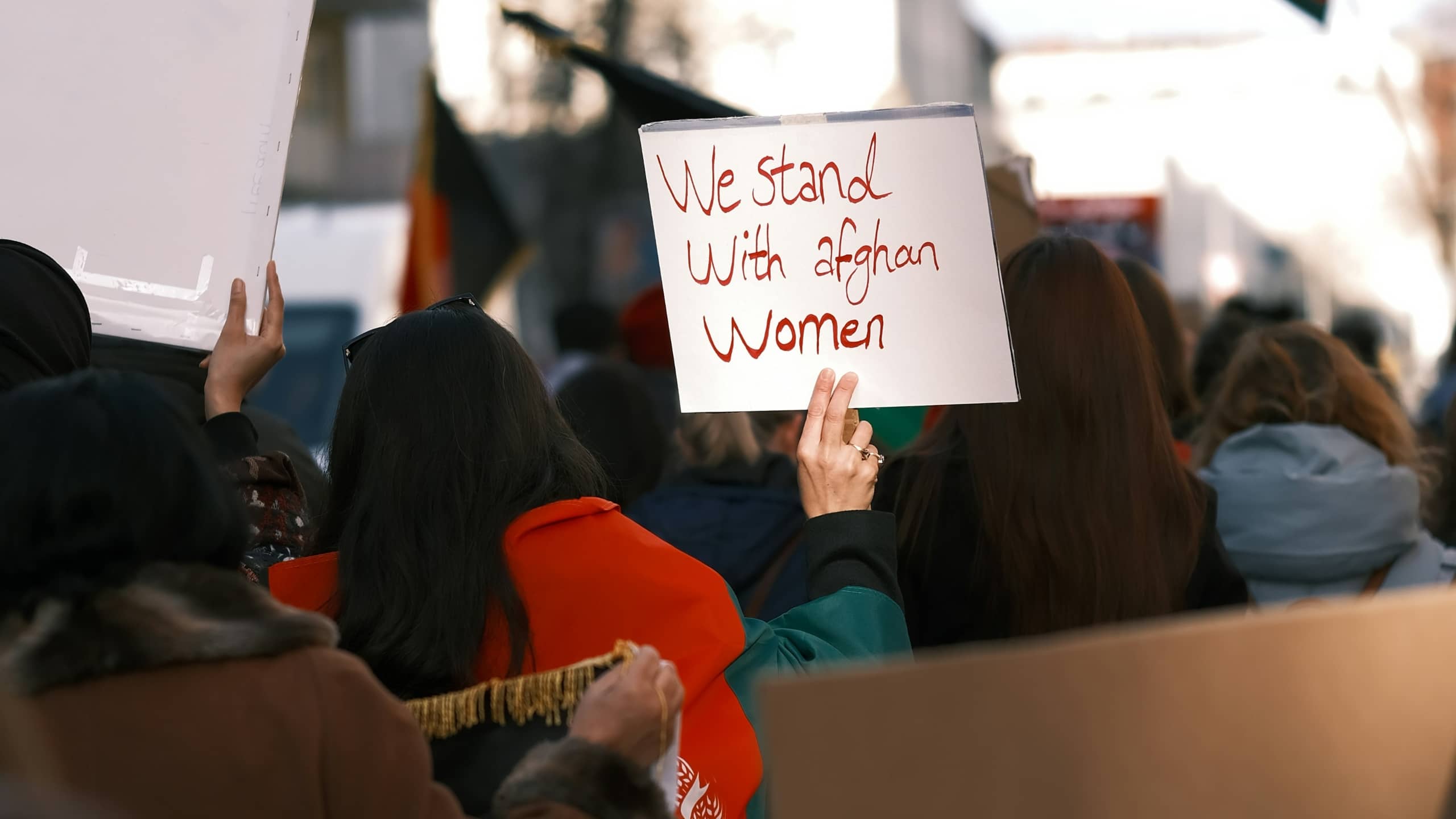
Opinion article by Hon. Mariam Solaimankhail, a Member of Parliament of Afghanistan in exile and a Member of Parliamentarians for Global Action. There is a girl in Logar Province who has completed sixth grade three times. Her father is a doctor, and she dreams of becoming one too. She is thirsty for education and loves everything about school — her books, her classmates, the routine of preparing for class, and the feeling of learning something she did not know the day before. However, under Taliban rule, she cannot continue to secondary school. Her father cannot bring himself to tell his daughter that her education is over, so he keeps sending her back to the last grade she is allowed to attend: sixth grade, again and again. She is becoming increasingly depressed. Her father can treat his patients, but he cannot provide his own daughter with the continued education she needs most. In 2017, as a member of Afghanistan's parliament, I was involved in the fight to pass legislation protecting children, defining when a child legally becomes an adult, and affirming a child's rights to an identity, education, and health care. A small group of men fought us fiercely. They invoked Sharia law and feared that recognizing these protections could restrict practices such as child marriage. They even threatened male parliamentarians who stood with us women supporting the law. We lobbied, we counted votes, alliances shifted, people argued passionately, and ultimately, the law passed. That was democracy. I remember other parliamentary sessions when two members strongly disagreed and would grow furious with each other. Hours later, I would see those same men drinking tea and laughing together. That was democracy. On 15 August 2021, when the Taliban returned to power, we lost the political space in which we were allowed to disagree. Today, we are left with an uncomfortable question: can there be true peace without freedom? If a girl cannot attend school, is that peace? If a woman cannot participate equally in her country, is that peace? If an Afghan fundamentally rejects Taliban rule but has no ballot through which to change it, no parliament through which to challenge it, and no meaningful political opposition through which to organize, what peaceful avenue remains? Peace cannot mean that one side was permitted to take power through the gun and everyone else must accept permanent political silence. We need meaningful participation, freedom of expression, rights for women, genuine political competition, and a peaceful mechanism by which Afghans themselves determine who governs them. Twenty years ago, girls had a path to meaningful participation in their country's future. They became doctors, judges, prosecutors, journalists, entrepreneurs, police officers, and parliamentarians. I was one of those women. We heard the many commitments made by the international community on democratic principles, women's rights, and gender equality. This included the Bonn Agreement in 2001, Afghanistan's ratification of the Convention on the Elimination of All Forms of Discrimination Against Women in 2003, the Enduring Strategic Partnership Agreement with the U.S. in 2012, and the US-Afghanistan Bilateral Security Agreement in 2014. When democracy collapsed five years ago, the Taliban stripped away our rights and all commitments, systematically excluding Afghan women and girls. Female judges and prosecutors feared the people they helped convict. Journalists feared their reporting histories. Former soldiers feared retaliation. Women activists feared repercussions. Families fled, Afghans became refugees, and a generation of women and girls in Afghanistan is suffering. The girl in Logar is just one story of a girl waiting for peace. Her father fundamentally disagrees with the policy determining his daughter's future, but which representative can he lobby? Which candidate can he support? Which election can he use to say, "I want my daughter in school"? This is why democracy and women's rights in Afghanistan matter beyond Afghanistan. When the rights of half a nation can be erased overnight, we see how fragile freedom can become. The Taliban must be held accountable for their system of gender apartheid. Afghan political leaders must confront their mistakes, regional powers must answer for their interference, and the United States and its allies must take responsibility for their decisions and the commitments they left behind. Nobody should mistake the Taliban's monopoly on political power for the consent of the Afghan people. I remember another Afghanistan. It was loud with raucous shouting across the floor of parliament and bitter fights over legislation. Then came the vote, and sometimes, tea. The next morning, we could disagree again without returning to the battlefield. That was peace. That was democracy. Now, somewhere in Logar, a girl is still waiting for seventh grade.

PGA Legislators Turn Shared Values into Legislative Action at WorldPride 2026

PGA Legislators Turn Shared Values into Legislative Action at WorldPride 2026

Parliamentarians for Global Action in collaboration with its partners supported the participation of legislators from 32 countries, from all regions.

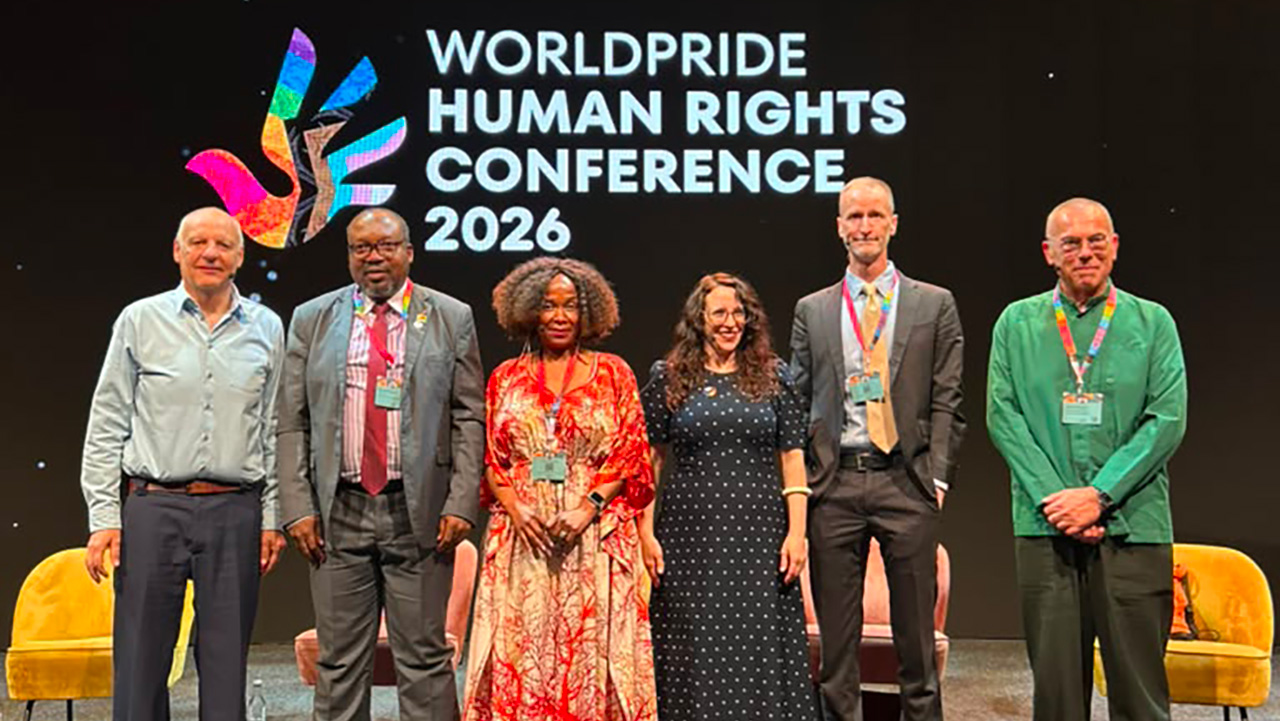
Parliamentarians for Global Action (PGA), in collaboration with its partners the Global Equality Caucus, the LGBTQ+ Victory Institute and the Council for Global Equality, supported the participation of legislators from 32 countries, from all regions, at WorldPride Amsterdam 2026. Board members from Seychelles, Zimbabwe and Belize shared insight on political leadership at the Human Rights Conference in Amsterdam then joined the full PGA Board for the Parliamentary Dialogue on Inclusion and Equality at the Senate of the Netherlands on 7 August. Political leadership on the conference stage PGA Board Member, Sen. Janelle Chanona (Belize), moderated the session, “Political Leadership in Parliament: legislative strategies to stop the global pushback against LGBTQIA+ rights, ” which explored the causes of the current political tide and actions leaders must take to protect LGBTQI+ people from further persecution. The panel brought together Lord Nick Herbert (UK House of Lords and Chair of the Global Equality Caucus), Deputy Minister Mmapaseka Steve Letsike (South Africa), Hon. Karen Makishima (House of Representatives, Japan), Rep. Mark Takano (House of Representatives, United States) and PGA Board member Hon. Bernard Georges, Leader of the Opposition in the Seychelles National Assembly. Steering a frank exchange on coalition-building, cross-party consensus and the most urgent priorities for safeguarding hard-won rights, Sen. Chanona drew out strategies from parliaments as different as Tokyo, Washington, Cape Town and Victoria, with Hon. Georges speaking directly to the realities of advancing inclusion in an African parliament. PGA Board member Hon. Daniel Molokele (Zimbabwe) joined representatives of the Global Fund, UNDP and the European Commission’s development directorate to examine how scaled-back aid commitments are undermining LGBTQI+ programming in education and public health, and what sustainable financing must look like for communities that can least afford the shortfall. Together, these discussions highlighted the role of parliamentarians from the Global South in shaping locally grounded responses to the global backlash against LGBTQI+ rights. Across the Human Rights Conference, PGA legislators heard a consistent message: that human rights are for everyone, everywhere, without exception, as Phyll Opoku-Gyimah emphasized – and that rights, once won, must also be defended. Speakers reminded participants that a lack of data leads to a lack of policy, a point underscored in multiple exchanges; and that SOGIESC issues must be reflected not only in equality legislation but in housing, health and every other realm of public policy. Legislators also took note of what institutions can deliver when political will exists. For example, the Council of Europe’s landmark Recommendation CM/Rec (2025)7 on Equal Rights for Intersex Persons, and the UN LGBTI Core Group’s model of states and civil society working together to advance visibility and rights through the UN system, as well as the impact of policies such as the US Global Gag Rule on organizations providing services to marginalized communities. PGA’s Board engages with legislators from around the world in the Dutch Senate PGA Board members participated in a Parliamentary Dialogue on Advancing the Rights of LGBTQI+ Persons, hosted at the Senate of the Netherlands by Senator Boris Dittrich, a longstanding PGA member and former member of its Executive Committee. More than 30 legislators from a wide range of political systems and starting points took part. Senator Dittrich set the tone with a deliberate challenge: to move beyond statements of principle and be concrete. He asked every participant to name what they are trying to achieve at home, perhaps a bill, a repeal, a policy change, a shift in enforcement, to identify the support they need and from whom. Hon. Christelle Vuanga, MP (Democratic Republic of the Congo), member of PGA’s Executive Committee, opened the substantive discussion with a personal account of how she came to this work. Confronted, soon after her election, with a wave of messages targeting her approach to concerns from LGBTQI+ people in her constituency, she asked herself two questions: What kind of elected representative would I be if I didn’t take my own constituents seriously? and Do I understand the facts about LGBTQI+ people in my constituency? Those questions led her to public broadcasts, sensitization and a clear-eyed reading of the DRC’s legal position (no explicit criminalization, but no marriage equality and no protection against discrimination) and to a commitment, as both parliamentarian and human rights defender, to strengthen health, justice and public services for those most exposed to violence and exclusion. Lord Collins of Highbury, the United Kingdom’s Special Envoy for LGBT+ Rights, and Senator Duncan Wilson (Canada) also shared remarks. The interactive exchange that followed did exactly what Senator Dittrich asked. Legislators laid out where they stand and what they need to make progress: a Botswana MP, who chairs the SADC Parliamentary Forum’s work on sexual and reproductive health rights, emphasized the importance of appreciating, internalizing and partnering with civil society; a Polish MP described the situation in a country that remains near the bottom of ILGA-Europe’s Rainbow Map ranking, where parliament passed a civil partnership bill only to see it vetoed by the president, the legacy of so-called ‘LGBT-free zones’ persist and EU support remains constant; a Spanish MP chairing the Human Rights Committee emphasized the need to link human rights, constitutional affairs and public health; Canada’s first openly gay MP of Asian descent spoke on the principle of leaving no one behind, and on the compounded discrimination for immigrant communities; a UK MP serving as the Council of Europe’s General Rapporteur on LGBTI rights discussed the importance of banning conversion practices and answering the free-speech objection – arguing that abusive practices cannot be justified by consent; and a German legislator spoke on religious fundamentalism, court rulings and the reality that thousands of queer people lack housing. Legislators put specific asks on the table – comparative legal analysis, technical drafting support, joint letters, public solidarity statements they can point to at home – and matched them with specific offers of help from colleagues who have fought, won, lost and learned from similar battles. Why it matters PGA’s participation in WorldPride moved from shared values to a shared agenda. The discussions produced a practical working map of legislative objectives, technical needs and timelines that PGA and its partners can now carry forward, so that parliamentarians facing difficult votes or legislative challenges can draw quickly and concretely on the experience and support of colleagues.

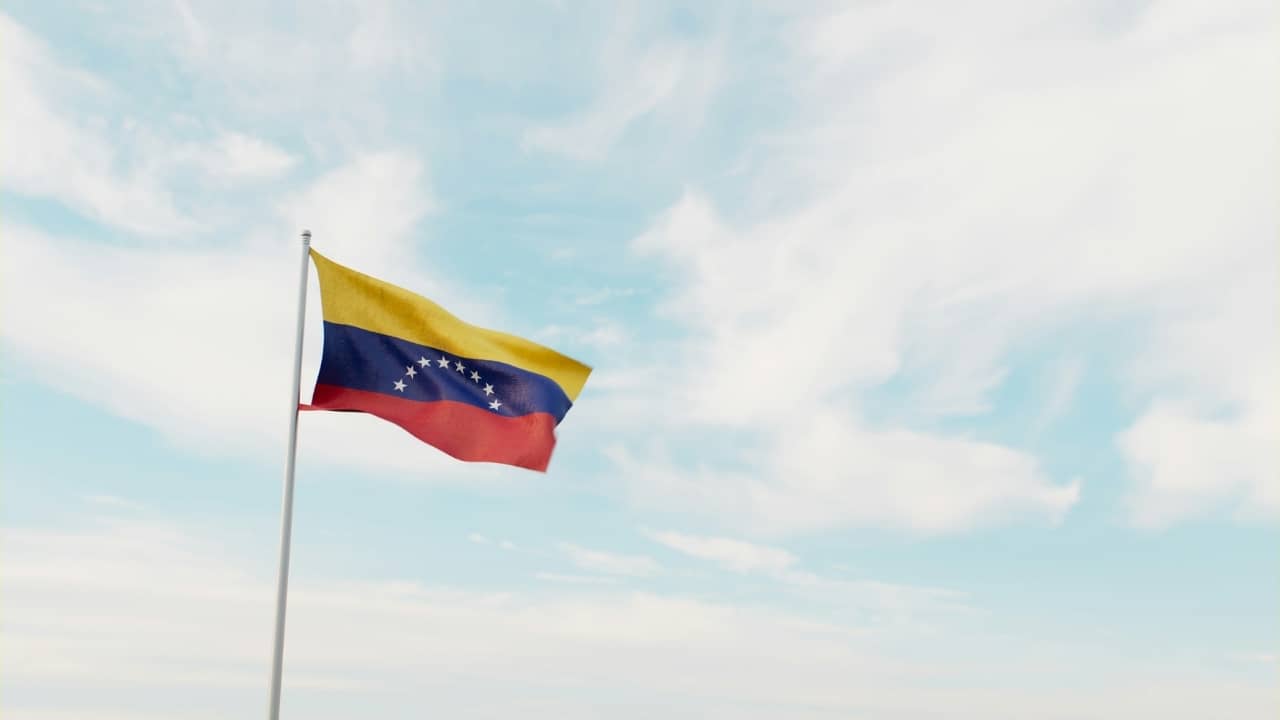
Now is the time for Members of the National Assembly of Venezuela to stand for International Justice

Now is the time for Members of the National Assembly of Venezuela to stand for International Justice

Venezuela’s official withdrawal from the Rome Statute represents a serious setback for the fight against impunity and access to justice for victims and survivors.

Venezuela’s official withdrawal from the Rome Statute represents a serious setback for the fight against impunity and access to justice for victims and survivors. From Ratification to Withdrawal As the first Latin American country to ratify the Rome Statute on 7 June 2000, following its signature on 14 October 1998, Venezuela played a leading role in strengthening the ICC, paving the way for accountability in the region. In recent years, however, Venezuela’s engagement with international justice mechanisms has steadily declined, raising concerns about its commitment. In 2021, following the referral from a group of States Parties, the ICC opened an investigation into alleged crimes against humanity committed in Venezuela since April 2017. In parallel, under the principle of universal jurisdiction, a prosecutor in Argentina launched an investigation in July 2023 into crimes committed in Venezuela since 2014. Despite these initiatives, continued repression and ongoing crimes against humanity in the country have impeded meaningful progress toward justice. Insufficient complementarity efforts by Venezuelan authorities led to the closure of the ICC’s country office in 2025, and the National Assembly’s vote on 11 December 2025 to repeal ratification further undermined the pursuit of justice for victims and survivors. The recent withdrawal, submitted to the United Nations on 24 July 2026, marks a troubling regression. It occurs amid a wave of attacks and pressure on the Rome Statute system, including increased threats against the ICC and withdrawal announcements by Niger, Burkina Faso, and Mali in June 2026, and by Chad in July 2026, which risk weakening the Court’s effectiveness. Nevertheless, in accordance with the Rome Statute, Venezuela will remain a State Party until 24 July 2027. Under Article 127, until the withdrawal takes effect, the ICC retains jurisdiction to investigate and prosecute crimes committed on Venezuela’s territory or by its nationals, and the country remains bound by its legal obligations. Implications in the Region and Beyond The withdrawal by Venezuela is a dangerous precedent in our region with far-reaching consequences. The international justice system depends on the support and cooperation of all states. With each fracture in the framework, it becomes increasingly challenging to bring perpetrators of gross human rights violations to justice. The path forward must be one of renewed commitment, stronger cooperation, and principled leadership in support of justice for all. Dip. Jorge Calix, Member of Parliament of Honduras, Chairperson of the International Council of Parliamentarians for Global Action. At a time when the Rome Statute system is under intense pressure, states must strengthen support for the International Criminal Court and renew efforts to achieve universality. Parliamentarians and civil society actors must continue to uphold the integrity of the Court and the Rome Statute system. Recent examples from around the world, such as Hungary’s reversal of its planned withdrawal and the leadership shown by parliamentarians supporting the ICC, should be followed by sustained engagement to make a difference. Call to Parliamentarians We call on Members of the National Assembly in Venezuela to urge their government to revoke its withdrawal from the Rome Statute and reaffirm its commitment to international justice and cooperation with accountability mechanisms. We further call on parliamentarians around the world to protect the ICC, promote the universality of the Rome Statute, and stand with victims and survivors seeking justice and accountability. Venezuela's decision to withdraw from the International Criminal Court is a cause for grave concern. The victims of crimes against humanity in Venezuela must be at the heart of all efforts toward justice, reparations, convictions, and guarantees of non-repetition. The role of the ICC is essential when national courts lack independence and effectiveness. We urge progress in the Court's investigation and the application of the principle of universal jurisdiction in all Member States to ensure that victims and survivors are heard and that perpetrators are held accountable. Dip. Margarita Stolbizer, former member of the Argentine Chamber of Deputies and PGA Board Member

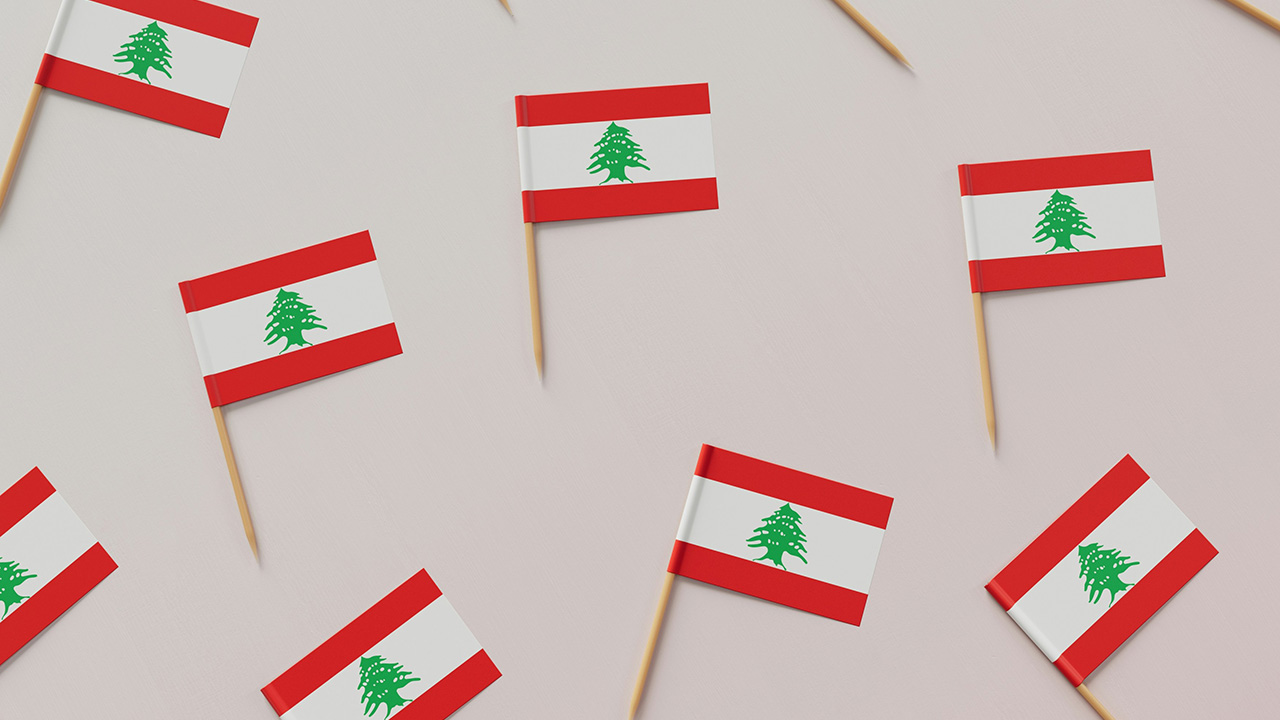
Parliamentarians in Lebanon Take a Strong Stand for Human Rights by Abolishing the Death Penalty

Parliamentarians in Lebanon Take a Strong Stand for Human Rights by Abolishing the Death Penalty

Lebanon has today reaffirmed its dedication to fundamental human rights principles

Parliamentarians for Global Action congratulates members of the Lebanese National Assembly on the historic adoption, on 11 August 2026, of the law abolishing the death penalty. This is a major step forward and a victory for human rights, effectively ending the moratorium Lebanon has observed since 2004. After more than two decades without executions, and thanks to years of advocacy by survivors, human rights defenders, civil society organizations, and the indispensable commitment of parliamentarians, Lebanon has today reaffirmed its dedication to fundamental human rights principles. By becoming the second country of the Southwest Asia and North Africa region, after Djibouti, to completely abolish the death penalty in law, Lebanon stands as a regional pioneer, and this despite the current atrocities committed on its territory due to the ongoing war. I am proud, as a member of parliament, to have championed this bill alongside my colleagues, driven by the conviction that such cruel and inhumane punishment has no place in Lebanon. With this vote, we have demonstrated the Lebanese people’s commitment to human rights and restorative justice. The Lebanese people remain true to their values: human dignity and freedom. It is these values that must remain at our core, as we continue to work for a better future for generations to come. Hon. Georges Okais, MP (Lebanon), PGA Member The draft law was submitted to the Parliamentary Human Rights Committee on 7 October 2025, sponsored by Hon. Georges Okais, PGA Member, among other committed parliamentarians. Following its approval by the Committee on 23 February 2026, the bill was adopted by the Parliamentary Justice Committee and the Joint Committee on 2 and 9 July 2026 respectively, before finally passing in plenary session on 11 August 2026. This new law replaces capital punishment with life imprisonment with hard labour. While this penalty exists in current Lebanese legislation, the National Human Rights Committee has noted that it remains incompatible with international human rights standards. The law, which has received support from the government, is due to be transmitted to the President for signature and published in the Official Gazette before entering into force. According to Amnesty International, at least 57 people remained on death row at the end of 2025. To solidify this commitment, Parliamentarians for Global Action calls on Lebanese parliamentarians to: Urge authorities to ensure that all death sentences are commuted; Call on their government to ratify the Second Optional Protocol to the International Covenant on Civil and Political Rights; Ensure the government votes in favor of the upcoming UN General Assembly resolution for a moratorium on the death penalty, in December 2026.

Victims of International Crimes Deserve Justice:  Parliamentarians for Global Action calls on Chad to reverse its withdrawal from the Rome Statute

Victims of International Crimes Deserve Justice: Parliamentarians for Global Action calls on Chad to reverse its withdrawal from the Rome Statute

Chad's withdrawal significantly undermines the considerable efforts undertaken by members of our organization to raise awareness of the Rome Statute system and promote its implementation at the national level.

Parliamentarians for Global Action notes with great concern the deposit of the instrument of withdrawal from the Rome Statute by Chad, as notified to the United Nations Secretary General on 27 July 2026. This decision significantly undermines the considerable efforts of parliamentarians in Chad and globally to raise awareness of the Rome Statute system and promote its implementation at the national level. The Government of Chad has justified its withdrawal on the grounds that the “Court’s judicial activity […] is being used for political purposes,” resulting in what it describes as selectivity and “inconsistent effectiveness.” Parliamentarians for Global Action regularly engages in dialogue with parliamentarians worldwide to address precisely these criticisms and misconceptions: The Court operates under the principle of complementarity: it does not displace national jurisdictions but intervenes only where States are unwilling - or genuinely unable - to investigate and prosecute, or to complement domestic efforts in the most complex cases. Far from retreating, the Court has never been more active, with 13 ongoing investigations on all continents (one in the Americas, six in Africa, three in Asia, and two in Europe). States Parties themselves referred a majority of the investigations under Article 14 of the Rome Statute, demonstrating the confidence they place in the Court’s mandate and the need for accountability that they themselves have identified. Recent months have witnessed substantial progress in ICC cases and investigations, including the issuance of reparations orders for victims, the conclusion of confirmation of charges, the conclusion of preliminary examinations, and the issuance of arrest warrants (the majority of which are under seal). Chad’s ratification of the Rome Statute has been pivotal to uphold accountability both nationally and regionally. Chad’s cooperation with the Court has been instrumental in enabling Sudanese survivors to pursue justice, and it is crucial that communities of victims retain access to these mechanisms. At a time of rising global impunity, I am deeply concerned that my country is choosing to isolate itself from the international justice community. I urge members of the National Assembly to call on the government to reverse its decision, for Chadians, and for the cause of justice. Hon. Théophile Yombombe, former parliamentarian (Chad) and former PGA member This decision also comes in a context of unprecedented pressure against the Court, including recent calls by the U.S. administration to “dismantle the ICC,” and a series of withdrawals from  and Venezuela, threatening to erode the universal framework essential for ending impunity. The effectiveness of the Rome Statute system relies fundamentally on progress towards universality— ratifications that extend the Court's jurisdictional reach — and the cooperation of States Parties (mandatory under the Rome Statute, Article 86). Such withdrawals therefore risk perpetuating impunity and leaving communities of victims without recourse. Equally important, in a context where the quality of democracy and the human rights situations are deteriorating globally, including in Chad, withdrawing from the Rome Statute raises deep concerns about respect for the rule of law at national and international levels, and ultimately, accountability. Nevertheless, as provided by the Rome Statute, the withdrawal will only become effective in one year, namely on 27 July 2027. Until then, Chad remains bound by all its international obligations under the Rome Statute. Parliamentarians for Global Action urges: Members of the National Assembly to engage in a national dialogue, involving national civil society organizations and national and international experts, to reassess this decision and work with its government to reverse the withdrawal notification and preserve Chad’s commitment to international justice. Members of parliaments worldwide to engage with Chad representatives, raising awareness about the Rome Statute system and the role of the Court, and encouraging Chad to remain a State Party.

Centering survivors and strengthening justice: The GIAI's global impact

Centering survivors and strengthening justice: The GIAI's global impact

When national systems cannot or will not investigate the gravest crimes, international justice helps ensure that no one is beyond the reach of the law.

Centering survivors and strengthening justice: The GIAI's global impact 17 July 2026 — When national systems cannot or will not investigate the gravest crimes, international justice helps ensure that no one is beyond the reach of the law. For many victims and survivors who have been denied justice for years, sometimes decades, it provides a pathway to truth, recognition and accountability. International justice is not a political preference; it is a cornerstone of peace, human dignity and the rule of law. It requires sustained commitment and protection to counteract a growing global culture of impunity. On the Day of International Criminal Justice, the Global Initiative Against Impunity (GIAI) is highlighting the impact of its work across 28 priority country situations, advancing accountability for international crimes while placing victims and survivors at the centre of these efforts. GIAI brings together a civil society-led consortium spanning Africa, the Americas, Asia, Europe and MENA, connecting survivors and local organisations to justice and accountability mechanisms at every level. The work runs from psychosocial and non-legal support through to strategic litigation, documentation, advocacy and direct financial support to frontline organisations. The numbers tell part of the story: More than 2,000 victims and survivors supported 186 local civil society organisations collaborating with the programme 990 serious human rights violations documented in 2025 alone 53 complaints and communications filed 80+ locally-driven grants delivered across Africa, the Americas, Asia, Europe and MENA Each of these figures is driven by movements on the ground. Indigenous Maya Achi women secured convictions against three additional perpetrators in 2025 for crimes against humanity and sexual violence and 19 total reparations measures before Guatemala's highest court, after decades of mobilisation. Following sustained advocacy and technical support, Ukraine and Armenia successfully ratified the Rome Statute. The Lumbala trial in France marked the country's first universal jurisdiction case relating to events in the DRC, featuring more than 65 testimonies and 35 civil parties and challenging decades of long-standing impunity. The French Supreme Court issued a landmark 2025 ruling rebuking functional immunities in international crimes cases. Across the consortium's work, GIAI members submitted 63 recommendations to justice providers and policymakers, helped advance 12 European Parliament resolutions, and shaped 16 laws and policies on gender-based violence and gender-transformative justice. The Consortium further expanded access to international justice knowledge through nearly 500 resources on MakingJusticeWork.org, now serving more than 2,500 registered users across the accountability field. The GIAI shows what civil society can achieve when survivors are placed at the centre, and it lays the groundwork for the justice still to come. “On International Criminal Justice Day, we reaffirm our commitment to the principles that inspired the Rome Statute: accountability, the rule of law, and the conviction that no individual or State should stand above international law. For countries such as Timor-Leste, whose people have endured the devastating consequences of conflict and impunity, international criminal justice is not an abstract legal concept. It is rooted in our own history and in our continuing belief that lasting peace can only be built upon truth, justice, and accountability. Timor-Leste’s ratification of the Kampala Amendments on the crime of aggression represents an important contribution to strengthening the international legal order. It reflects our belief that acts of aggression—the gravest violations of the United Nations Charter—must never go unpunished. We encourage all States that have not yet done so to ratify the Kampala Amendments and support efforts to ensure that the International Criminal Court can exercise its jurisdiction over the crime of aggression on a footing consistent with the other core crimes under the Rome Statute. The international community must continue working to close the accountability gap that still leaves too many victims and survivors of aggressive wars without effective justice. A stronger, more coherent system of international criminal justice is essential not only for accountability but also for the prevention of future conflicts. On this International Criminal Justice Day, let us renew our collective commitment to defending international law, protecting human dignity, and ensuring that justice is never determined by power, but by principle. Only through genuine international cooperation and unwavering support for accountability can we build a more peaceful and just world." Hon. Nurima Ribeiro Alkatiri, Member of Parliament of Timor-Leste, Member of Parliamentarians for Global Action

International Justice Campaign Update – June 2026

International Justice Campaign Update – June 2026

Over the past six months, developments in international justice have highlighted both the vulnerability and resilience of the Rome Statute system.

Over the past six months, developments in international justice have highlighted both the vulnerability and resilience of the Rome Statute system. While three Sahel States (Niger, Burkina Faso, and Mali) formally notified their withdrawal from the International Criminal Court, Hungary's newly formed parliament reversed a planned exit from the Court, choosing to remain committed to accountability and the rule of law. In this context, parliamentarians have continued to mobilize in the fight against impunity. Parliamentarians for Global Action engaged in UN negotiations on a future Crimes Against Humanity Convention, PGA members contributed to high-level debates on Afghanistan's human rights crisis, strengthened parliamentary engagement on international justice, and joined global initiatives such as the EU Day Against Impunity. In addition, PGA is raising awareness of this year's ICC judicial elections and advocating for the selection of merit-based, independent, and diverse judicial candidates. In this 13th edition, you will find: PGA Campaign Actions & Activities around the world Upcoming: 2026 ICC Judicial Elections Key ICC Judicial & Other Developments PGA Campaign Actions & Activities around the world Advancing a Global Crimes Against Humanity Convention In January 2026, PGA participated in the first session of the Preparatory Committee for the United Nations Diplomatic Conference on the Prevention and Punishment of Crimes against Humanity, held in New York from 19 to 30 January. The session marked a significant step toward a future Crimes Against Humanity Convention, as States and experts discussed draft articles to strengthen prevention, accountability, and international cooperation, thereby complementing the Rome Statute framework. PGA and the Global Initiative Against Impunity (GIAI) advocated for a strong treaty that reflects contemporary international law, supports victims, addresses crimes such as gender apartheid, and establishes a mechanism to ensure effective implementation. To sustain this momentum, and ahead of the 30 April 2026 deadline for States to submit proposals for inclusion in the draft articles, PGA published the policy brief Towards a Crimes Against Humanity Treaty to help parliamentarians understand the proposed convention, key proposals under discussion, the differences to the Rome Statute, and the concrete steps parliaments can take to shape political momentum. Additionally, PGA supported a briefing note by the International Federation for Human Rights (FIDH) advocating for the inclusion of a clear obligation in the Convention to criminalize direct and public incitement to crimes against humanity as a distinct, standalone offense. Addressing Gender Apartheid in Afghanistan On 18 March 2026, the European Parliament's Subcommittee on Human Rights (DROI) hosted a debate in Brussels with Afghan women parliamentarians in exile, Hon. Fawzia Koofi and Hon Mariam Solaimankhil, PGA members, on the human rights situation in Afghanistan, especially for women and girls. The MPs described the Taliban's system of gender-based persecution and the systematic dismantling of women's rights, emphasizing the urgent need for sustained EU engagement to strengthen accountability and justice mechanisms. On 27 May 2026, PGA joined 82 Afghan and international human rights organizations in signing an open letter opposing the EU's plans to engage Taliban representatives in Brussels as part of EU migration and deportation discussions. The letter warned that such high-level engagement could legitimize a regime responsible for systematic violations, in particular gender persecution, and urged the EU and its Member States to halt any forced returns to Afghanistan, prioritizing accountability and protection instead. Hon. Fawzia Koofi, Afghanistan's first woman deputy speaker of parliament, further raised the issue in an opinion article published in The Guardian, urging the EU to enact laws to end gender apartheid and impunity rather than welcoming the perpetrators to Brussels. "Seeing the Taliban welcomed on European soil feels like a devastating betrayal. It is a slap in the face to every Afghan woman and girl who has fought, suffered and resisted Taliban oppression," wrote Hon. Koofi. Parliamentarian Dialogue on International Justice At the sidelines of PGA's 46th Annual Forum in Mexico City, on 25 March 2026, parliamentarians from various countries participated in a dedicated dialogue on international justice and the ICC. The sessions offered a platform to discuss the threats and opportunities within the Rome Statute framework, the need for implementation in national legislation, and initiatives to address international legal gaps, such as the draft Crimes Against Humanity, recognizing ecocide, reinforcing laws combating human trafficking, and ratifying and implementing the Ljubljana–The Hague Convention. Legislators also exchanged experiences and best practices on parliamentary efforts to prioritize the fight against impunity. Defending International Justice in the EU In May 2026, the Global Initiative Against Impunity, of which PGA is a member, issued a joint statement ahead of the EU Day Against Impunity. The statement called on the EU and its Member States to defend the international justice system and stand firmly with survivors and affected communities amid a continued escalation of threats and attacks on courts and accountability mechanisms. A few days later, the Hungarian National Assembly adopted legislation reversing its planned withdrawal from the Rome Statute, confirming Hungary's support for the ICC and its continued status as a State Party. PGA welcomed this decision as an example of how parliaments can reaffirm their commitment to international justice and the rule of law, even amid unprecedented pressure on multilateral institutions. African States' Withdrawals from the Rome Statute In contrast, efforts to defend the ICC in Africa met setbacks as Niger, Mali, and Burkina Faso formally submitted withdrawal notifications from the Rome Statute on 18 and 24 June, respectively. Parliamentarians expressed deep concern at these developments, urging the three countries to reconsider their decisions, especially as serious human rights abuses persist in the Sahel region. According to Article 127 of the Rome Statute, these States remain bound by all treaty obligations until one year after their withdrawal notices are deposited. Upcoming: 2026 ICC Judicial Elections Looking to the second half of 2026 and beyond, PGA is raising awareness about the upcoming ICC judicial elections, to take place in December. The elections are a critical moment for the international justice system, as ICC judges ensure fair trials in cases of genocide, war crimes, crimes against humanity, and the crime of aggression, thereby shaping the court's performance, integrity, and credibility. States Parties to the Rome Statute have nominated 14 judicial candidates from each region to be elected for 9-year terms at the 25th Assembly of States Parties to the Rome Statute (ASP). In its role as co-chair of the CSO Working Group on Judicial Elections, along with the Coalition for the International Criminal Court (CICC), PGA is contributing to efforts to promote fair, transparent, and merit-based processes for the nomination and election of ICC judges. This includes ensuring that judges meet the high qualification standards set by the Rome Statute, namely high moral character, impartiality, and integrity. In May, PGA launched a communications outreach campaign to raise awareness about the upcoming judicial elections, urging parliamentarians to monitor the process and review the list of candidates. The campaign highlighted the Independent Oversight Mechanism (IOM) as part of the Court's permanent due diligence process, which collects and assesses allegations of candidate misconduct, including sexual harassment, abuse of authority, discrimination, human rights violations, and other serious breaches. PGA also contributed to the development of a candidate questionnaire and circulated the memo, "Safeguarding Merit, Integrity, and Transparency: The 2026 ICC Judicial Elections." In the coming months, the elections team will share further details on individual candidates and their completed questionnaires to support informed decision-making ahead of the December elections. Meanwhile, PGA remains committed to supporting parliamentary action to protect and strengthen the Rome Statute system. Key ICC Judicial & Other Developments A summary of some key ICC judicial developments in the first half of 2026 is available here. For more frequent updates, PGA's biweekly International Justice Updates provides key global highlights on cooperation, impunity, legislative/parliamentary developments, and judicial developments.

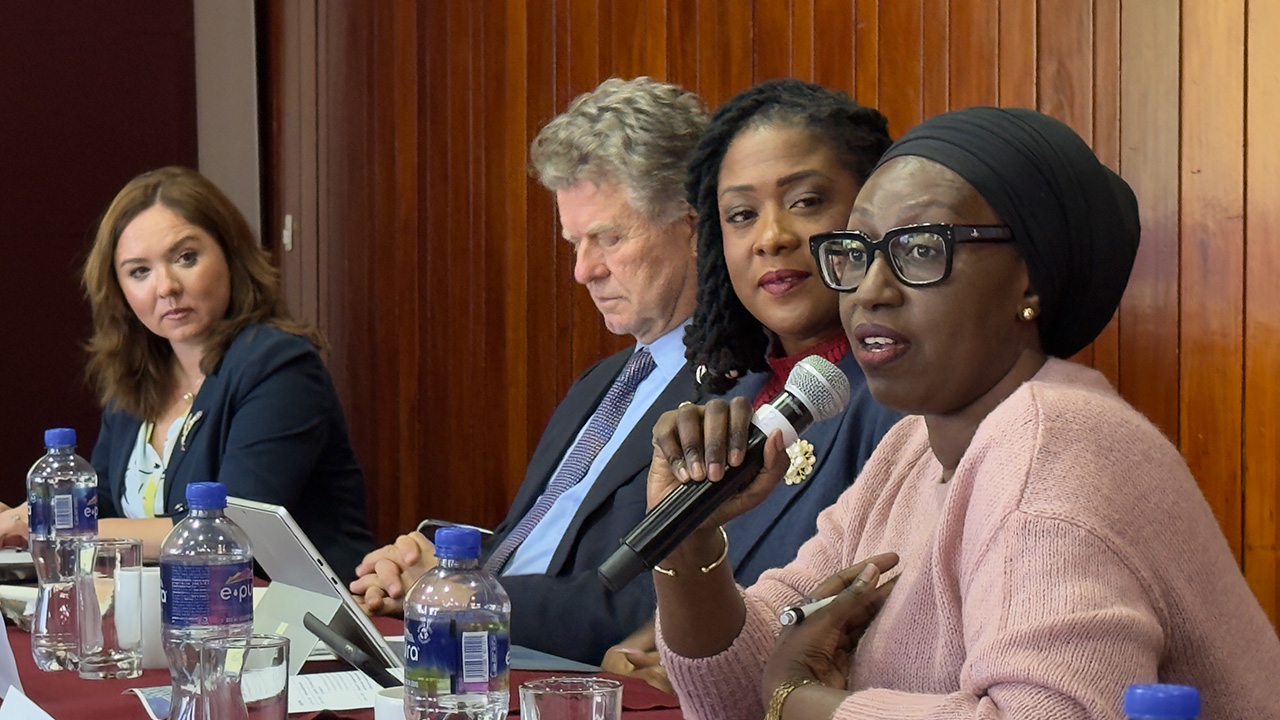
Keep Calm and Legislate On

Keep Calm and Legislate On

A dialogue between current and former champion parliamentarians on protecting civic space, fundamental freedoms and democracy

Current and former PGA members exchange insights on countering disinformation and protecting democracy On 30 June, Parliamentarians for Global Action (PGA) marked the International Day of Parliamentarism with "Keep Calm and Legislate On," a virtual dialogue bringing together sitting Members of Parliament and PGA Alumni Network members from around the world. Moderated by Esther Cuesta, Chair of the PGA Alumni Network and former member of Ecuador's National Assembly, the conversation focused on three pressures facing legislators today: shrinking civic space, disinformation, and institutional strain on parliamentary democracy. Why bring current and former MPs into the same room The dialogue was designed to unite current parliamentarians with PGA Alumni – former MPs who have gone on to roles in government, diplomacy, civil society, academia, and media. As Ms. Cuesta noted in her opening remarks, the end of a legislator's mandate doesn't end their knowledge, relationships, or commitment – only their platform changes. That continuity, PGA argues, is what allows democratic advocacy to survive elections and political transitions, and what helps the network identify the next generation of parliamentary champions. Voices from four regions The panel featured: Ms. Margareta Cederfelt, Member of Parliament (Sweden); former PGA President Ms. Yevheniia Kravchuk, Member of Parliament (Ukraine) Mr. Ronny Monge, former legislator (Costa Rica) Ms. Kasthuri Patto, former legislator (Malaysia); former PGA President Panelists were invited to speak to their direct experience of disinformation's impact on their work, the strategies and tools they've relied on to defend civic space, and the role PGA has played in sustaining their engagement – as sitting and former legislators alike. Their exchange was followed by an open discussion on what it means to “hold the line” as a parliamentarian today. Ms. Cederfelt argued that healthy democracy depends on conditions beyond parliament itself – a free press, an independent judiciary, and elections free of manipulation – and pushed back on pressure to perform on platforms like TikTok rather than hold a professional standard. Ms. Kravchuk described Russia's well-funded disinformation campaign, including a planned spend of nearly $2 billion this year targeting EU and NATO countries, and framed the fight as a “cognitive war” running alongside Russia's physical war on Ukraine. Ms. Patto spoke to the challenge of building common ground across Malaysia's multi-ethnic, multilingual political landscape, sharing how her own party has been falsely branded for decades as a tool of delegitimization. Mr. Monge noted that Latin American politics was slow to grasp how fundamentally communication had changed, leaving room for disinformation to outpace truth. The conversation opened to the floor, drawing in voices including Senator Wade Mark (Trinidad and Tobago), who cited CIVICUS Monitor data showing only 39 of 198 countries assessed have open civic space, and warned that AI is increasingly used by state and non-state actors to spread disinformation. Mr. Monge noted that showing up once every four years, the way fans turn out for the World Cup, is not the same as democracy – democracy has to be built day by day. Key takeaways Several themes carried through the discussion. Isolation is one of the most effective tools used against democratic advocates. When legislators believe their struggles are unique to their country, that vulnerability is exploited, and PGA's cross-regional, cross-generational network was framed as a practical tool to counter it. Panelists also underscored that leaving parliament is not the same as stepping back: alumni who move into government, civil society, media, or academia carry institutional memory and credibility that help PGA identify new champions and sustain advocacy through political transitions. And as Mr. Monge's World Cup analogy captured, democracy is built day by day, not only at the polls. Not every question could be addressed within the time period. In the chat, Senator Janelle Chanona (Belize), a member of PGA's Board, asked whether any members had been involved in legislation addressing the rise of strategic litigation against public participation, noting that such efforts would support the work of parliament, media, and civil society alike. Following the event, PGA reached out to the panelists to invite them to connect with Senator Chanona directly on this question. This dialogue was the first in a planned series of exchanges between current and former PGA members. Feedback from the June 30 conversation is shaping future sessions, which PGA intends to use to dig deeper into concrete partnerships and legislative responses.

Photo by PGA

Events & Activities

View the calendar of global and regional gatherings that Parliamentarians for Global Action is participating in or convening and see how you can get involved.

View the 2026 calendar →


Resources

Explore our vast library of publications, documents, and handbooks authored or co-authored by Parliamentarians for Global Action.

Visit our Resource Library →

lady reading a publication
Photo by Blair Fraser on Unsplash

0
Active Members
0
Countries
0
Active Campaigns
0
Year of Operation
PGA icon

Why Join PGA?

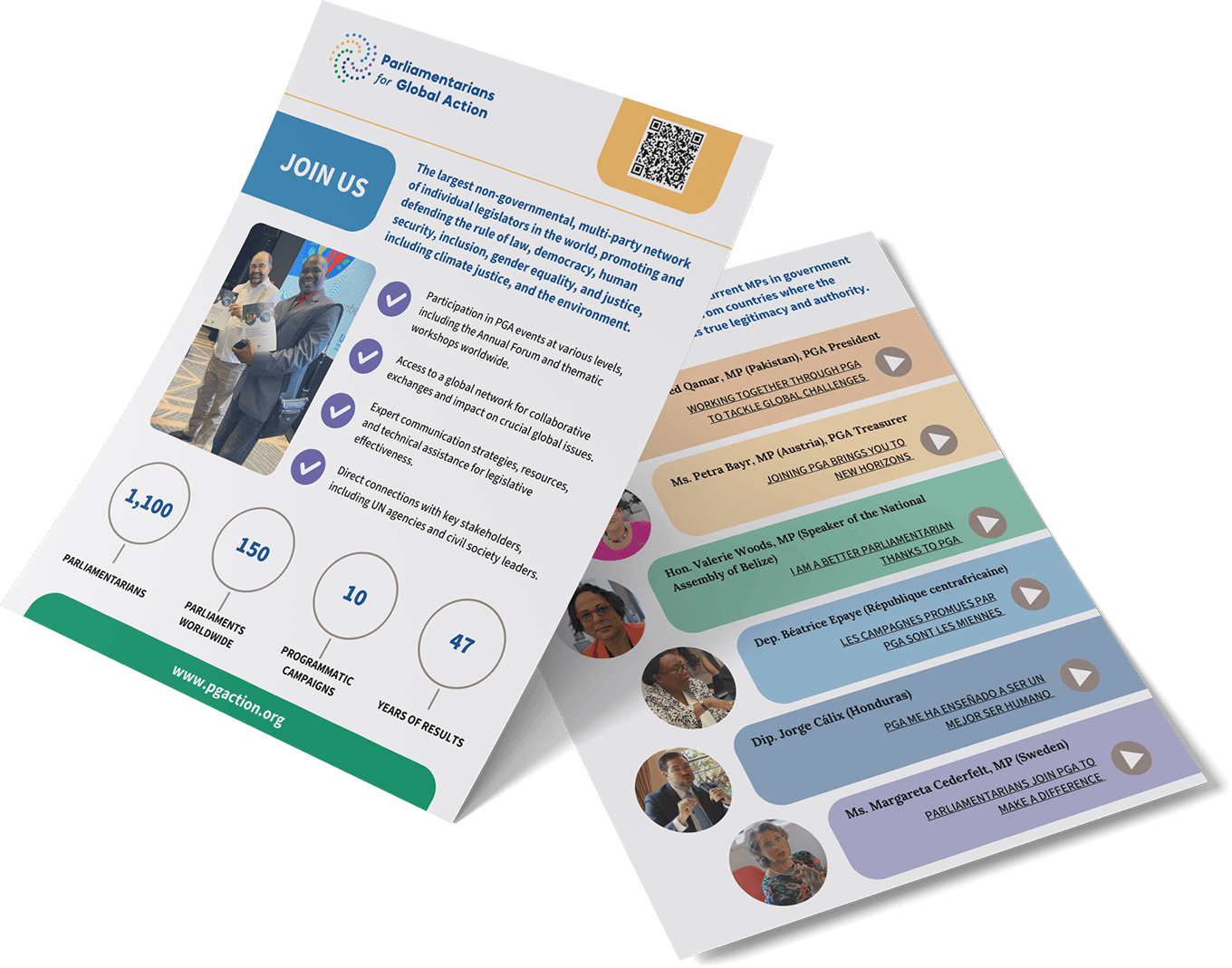
PGA Members are current MPs in government and opposition from countries where the parliament has true legitimacy and authority.
Join Parliamentarians for Global Action

Download our PGA Membership Brochure

English Español français Português

Featured Posts on Social Media